Soil Health Management and Its Role in Crop Yield Improvement
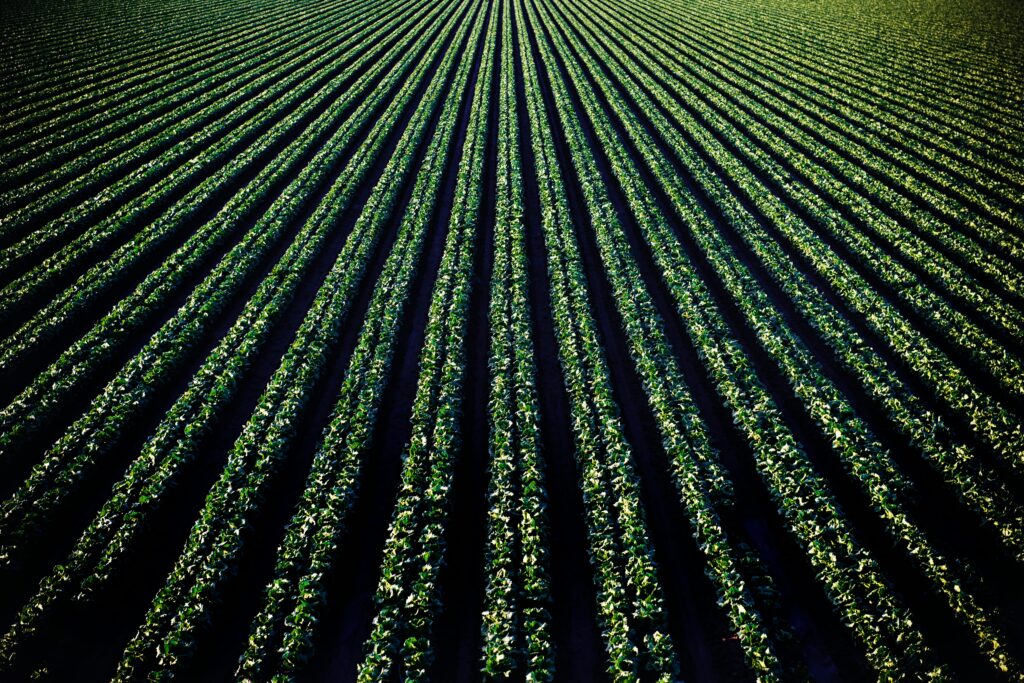
In March 2026, the focus of global agriculture has officially moved from “soil chemistry” (NPK levels) to “Soil Biology and Resilience.” As extreme weather and high input costs continue to pressure farmers, soil health management is being utilized as the primary lever for stabilizing and increasing crop yields.
According to latest 2026 research from the Pakistan Agricultural Research Council (PARC) and international bodies like the IPCC, healthy soil is no longer viewed as a passive substrate but as a living “Cerebral Exoskeleton” for the plant.
1. The Core Components of Soil Health (2026 Framework)
Modern soil health is measured through six interacting layers of the ecosystem. Improving these layers directly correlates to a 10%–21% increase in crop yield potential.
- Soil Organic Matter (SOM): Every 1% increase in SOM allows the soil to hold an additional 20,000–25,000 gallons of water per acre. In 2026, regenerative practices are projected to boost SOM by up to 21% compared to conventional systems.
- The Microbiome: A healthy soil contains billions of Plant Growth-Promoting Rhizobacteria (PGPR). These microbes act as “biological factories,” solubilizing locked-up phosphorus and fixing atmospheric nitrogen.
- Soil Structure (Aggregation): Healthy soils have a “sponge-like” structure that allows for deep root penetration and high gas exchange. This prevents the “root suffocation” common in compacted, conventional fields.
2. Strategic Management Practices for Yield Improvement
Data from March 2026 field trials indicates that “whole-system” management is more effective than individual quick-fix inputs.
| Practice | 2026 Yield Impact | Mechanical Role |
| Complex Cover Cropping | +10% to 18% | Prevents erosion, fixes nitrogen, and keeps the “microbial engine” running during fallow periods. |
| No-Till / Reduced Till | +6% to 13% | Preserves mycorrhizal fungi networks and prevents the oxidation of soil carbon. |
| Compost & Bio-inputs | +8% to 15% | Introduces beneficial microbes and organic carbon to jumpstart degraded soils. |
| Precision Soil Monitoring | Cost Reduction | AI-driven sensors allow for “site-specific” nutrient application, reducing waste by up to 30%. |
3. The Role of the Microbiome (2026 Research Update)
One of the most significant breakthroughs in 2026 is the “Microbiome-Aware” management approach.
- Bio-Fertilizer Surge: Projects like Pakistan’s Rs1.3 billion National Bio-Fertilizer Program (launching July 2026) are scaling the use of indigenous PGPR strains to reduce chemical dependency.
- Disease Suppression: Diverse soil microbiomes create a “competitive environment” that naturally suppresses soil-borne pathogens, reducing the need for fungicides.